Cryptojacking: How it Harms Your Business
Table of Contents
Cryptocurrency has taken the world by storm, with prices of cryptocurrencies, like Bitcoin, reaching epic levels. However, cryptocurrency requires massive computing resources to generate or "mine" the digital currency. Cryptojacking is a method used to mine cryptocurrency by hijacking computing resources from individuals' or companies' computers. Recent research identified over 332 million cryptojacking attacks worldwide.
What is Cryptojacking?

Cryptomining requires large amounts of computer power to create cryptocurrency. When registering a cryptocurrency to the blockchain, a computer must perform complex mathematical calculations. Cybercriminals hijack multiple computers (nodes) to perform this resource-intensive work by infecting the mesh of computers and cloud resources with crypto-jacking malware. The malware is delivered using methods like phishing, or hackers may inject malicious JavaScript code into a website, which will auto-install via vulnerabilities in a victim's browser.
Cryptojacking attacks are often long-standing and designed to avoid detection, resulting in damage to computers and financial losses. Cryptojacking malware is often worm-like and can spread across networks and cloud resources, making removal challenging.
How is Cryptojacking Malware Delivered?
Cybercriminals use various techniques to infect computers with cryptojacking malware. The commonest methods are as follows:
Phishing
Phishing emails are sent to targeted victims. They may contain malicious links to infected websites or infected attachments. Phishing emails are becoming harder to detect, with cybercriminals using AI and evasive tactics to hide malicious content.
Infected Websites or Malicious Online Ads
Hackers can take control of websites and use them to run malicious scripts in vulnerable browsers when a user visits the site. The scripts run, mining cryptocurrency every time a visitor with a vulnerable browser navigates to the website. Over 4000 government and public service websites were infected with cryptojacking scripts. Anyone visiting an infected website was at risk of becoming a cryptojacking victim.
Similarly, "drive-by-mining" describes the use of malicious ads to carry out cryptomining without knowledge or consent.
Using the Software Supply Chain
Cryptojacking malware may be distributed via the software distribution supply chain. Cybercriminals hide malicious scripts in software updates or in open-source libraries.
Compromised Cloud Resources
Cloud infrastructure with unsecured APIs, vulnerabilities in cloud components, or misconfigured components can be hijacked by cryptojacking. Recent Google research found that 86% of compromised Cloud instances were used to perform cryptocurrency mining.
The Financial Implications of Cryptojacking on Your Business
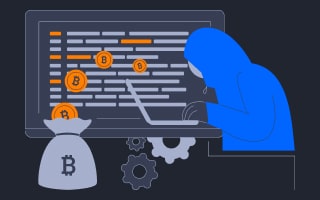
Cryptojacking may not be as high-profile as ransomware attacks or data theft, but it causes enormous harm:
Business Disruption
Cryptojacking malware and malicious JavaScript cause device slowdowns. The costs associated with productivity losses stack up. A survey exploring productivity found that employees can waste up to two days per year on slow computers.
Spike in Electricity Use and Costs
Crypto mining requires large amounts of electricity to perform complex computations. Crypto miners need to hijack $53 worth of system resources to earn $1. If your network computers or cloud infrastructure are infected with cryptojacking malware, expect to see large electricity bills.
Security Risks
If cryptojacking malware is installed on your computers, you know your security is lacking. If security is breached, you should expect a high risk level. A high-risk level means there is a potential for further attacks, including ransomware and data theft. The cost of downtime from a ransomware infection is estimated to be $25,620 for SMBs and $540,000 for enterprises per hour.
Exposure to Legal Liability
If a business unknowingly sends cryptojacking malware to another organization, it could face legal liability, facing large costs to cover solicitors and court fees.
Device Damage
The massive CPU usage required to mine cryptocurrencies can lead to computer burnout.
Reputation Damage
Customers and clients expect companies to take security seriously. Reputational loss is difficult to quantify; however, if your company is identified as the victim of a cryptojacking attack, you may lose customer trust and business.
Signs Your Computer is Infected with Cryptojacking Malware

There are several signs that your computer may be infected with resource-hungry cryptojacking malware:
- Your computer's CPU is high, even when no apps are running.
- If you open Task Manager or another system monitoring tool, you will see unknown processes using a very high % CPU.
- Your computer fan runs continually, and the computer feels hot.
- If this is browser-based cryptojacking, your browser will show excessive CPU usage.
How To Protect Your Business From Cryptojacking Attacks
Cryptojacking cybercriminals rely on vulnerable systems and people. The following security measures are recommended to protect your company from becoming an unwitting cryptominer:
Timely Patching
Browser-based cryptojacking exploits browser vulnerabilities. Therefore, keep browsers patched and up-to-date.
Advanced Anti-Malware / Endpoint Security
Traditional anti-virus software can be easily evaded by modern malware, like cryptojackers. However, Next-Generation Anti-virus (NGAV) software uses advanced technologies, like AI and behavioral analysis, to identify evasive malware.
Security Awareness Training
Cybercriminals may use phishing to initiate a cryptojacking malware infection. Educate your employees about the dangers of phishing and how to identify potential phishing messages. Phishing simulations that modify the training based on an individual's behavior are useful methods to reduce phishing risk.
Also, educate employees about safe internet use: an example of the innovativeness of cybercriminals is a recent case where the attackers hid cryptojacking scripts in the form of a malicious HTML file featuring the image of late athlete, Kobe Bryant. The image was a downloadable wallpaper. Anyone downloading the wallpaper became a victim of cryptojacking.
Install an Ad Blocker
Some cryptojacking attacks use malicious ads to run JavaScript code that hijacks machines to mine crypto. By blocking ads, your company can prevent employee browsers from being hijacked. Blocking JavaScript in the browser can also help. However, JavaScript is used legitimately by many websites, leaving your web experience degraded.
API Security
Cybercriminals are known to target APIs for cryptojacking. A recent attack used the Docker Engine APIto initiate a large-scale cryptojacking attack. API security is essential to prevent these mass-broadcast cryptojacking attacks.
Secure Cloud and Container Environments
Cloud and container resources must be protected against cryptojacking. This level of security is typically provided by a managed service provider or Security Operations Center (SOC). Some cloud infrastructures, like GoogleCloud, provide anti-cryptojacking capabilities.
Robust Access Control and Authentication
Robust login credentials and least privileged access enforcement are fundamental layers preventing unauthorized access to cloud and network resources.
Web Application Firewall (WAF)
A firewall can detect and block malicious websites or infected computers that can connect to mining nodes.
Secure Your Supply Chain
Check any source code updates from suppliers in an isolated environment before releasing them into production.
FAQs
Why is cryptojacking popular?
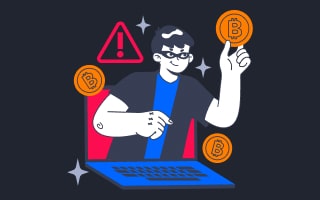
Cryptojacking is a popular method of making money for cybercriminals. By using other people's computers as multiple nodes in a cryptomining mesh, cybercriminals make money from mining crypto without paying the high cost overheads for electricity and powerful mining computers.
What are the legal risks to a company that is a victim of cryptojacking?
If your company is a victim of cryptojacking, you may be legally liable for privacy violations, as the malware potentially has access to sensitive data. If you inadvertently infect another computer, for example, a partner company in your supply chain, you could be liable for damage to their systems.
Some certification authorities will withdraw cybersecurity certification if an organization is found to be infected with cryptojacking malware. One authority states this: "Cryptojacking is illegal and violates privacy regulations. Organizations found facilitating or tolerating such activities may face legal consequences and lose their Cyber Essentials certification, tarnishing their reputation and credibility".
How can you remove cryptojacking malware?
Cryptojacking malware is challenging to remove. You must first detect the malware and quarantine the files before removing them. Some advanced anti-virus software may be able to perform malware removal. However, it is recommended that you use a security professional to carry out the removal process.