From Bots to Breaches: Top Cybersecurity Threats Facing Retail and E-Commerce

Table of Contents
Online retail and E-commerce have revolutionized how we shop. Research from Capital One shows that in the United States, 273 million individuals shop online, around 80% of the country's total population. Any popular activity, especially money-related transactions, attracts malicious entities looking to exploit people, technology, or processes. VikingCloud's Retail Cyber Threat Survey found that 80% of retailers have experienced cyberattacks, and more than half believe they are at increased risk of attacks.
Ticketmaster: 560 million Customers For Sale on the Dark Web
Ticketmaster experienced a high-profile cyber breach that exposed sensitive user information and ticket data. The breached database contained customers' personal information who had tickets to events in North America (U.S., Canada, and/or Mexico). The stolen data included email, phone numbers, and encrypted credit card information. The threat actor was identified as ShinyHunters after they offered the data and financial details of 560 million users on a hacker forum for $500,000. The initial compromise was believed to be caused by unauthorized access.
Top Cybersecurity Threats to the Retail and E-Commerce Sector
Retail and E-commerce, like many industry sectors, suffer from a blight of cyberattack types. However, attacks that focus on financial gain are typical of the sector. The following are the most common threats targeting the retail and E-commerce sector:
Retail Bot Attacks
Bots are the plague of retail and E-commerce. While bots buying tickets may not seem like a conventional cyberattack, the effects can be just as disruptive. Bots are automated software that can interact with a website, buying up products or tickets in bulk. The bots interrupt and disrupt normal sales, causing companies to lose customer trust and can even push a company into non-compliance. Bots are often deployed during key seasons and product launches when bot purchases can outnumber humans. The results are inflated costs as the fraudsters behind the bots resell the tickets. Attackers may also manipulate websites. Scalper bots are used to buy tickets and sell them at increased prices; fans are left with the choice of no ticket or buying from the scalper sites for large sums of money.
Bot Traffic: The New Majority on E-Commerce Platforms
Source: Radware
Distributed Denial of Service (DDoS) Attacks
Another form of bot malware can also be used to cause DDoS attacks. Imperva research found that application-layer DDoS attacks on retail sites have increased by 61%. The result of a DDoS attack on an E-commerce site can be devastating, with the site becoming unusable.
Ransomware
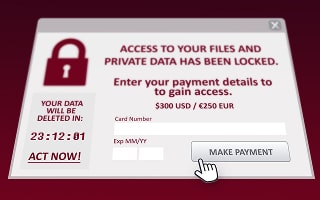
Ransomware threats are as prevalent and disruptive in retail and E-commerce as in other sectors. Recently, several UK retailers were victims of a massive ransomware attack. The companies affected included Harrods, Co-op, Marks & Spencer (M&S), and Adidas. The affected companies had to close operations, many stopping online orders altogether to contain the threat. M&S had empty shelves as operations stalled. Consequently, M&S warned of a $405 million loss. The gang behind the attack is believed to be the RansomForce hacking group. RansomForce is known to use phishing emails and stolen credentials to gain initial access.
Credential Stuffing Attacks
Research shows that people reuse passwords 64% of the time. The problem that this causes has a broad scope through the method known as credential stuffing. The cyberattackers that use this technique buy up vast quantities of stolen login credentials from dark web marketplaces, then use automation software to test the passwords against websites that require sign-in, including retail and e-commerce sites. Credential stuffing leads to account takeovers and fraud. An article by TotalRetail magazine points to a Ponemon report that identified an average loss of $6 million per year from credential stuffing. Losses were attributed to lost customers, increased IT costs, and other issues.
Data Theft
Retail and e-commerce companies hold sensitive customer data and financial information. Data theft, either by direct data compromise or via ransomware attacks, is used to extort money or commit fraud and identity theft.
Supply chain attacks and insecurities
Etsy, TikTok Shop, Poshmark, and Embroly were victims of a massive data exposure incident that affected 1.6 million customer records. The cause was identified as a misconfigured Microsoft Azure storage container linked to a Vietnam-based embroidery seller. Supply chain insecurities can impact the entire chain and its customers. Poor security practices place sensitive customer information at risk of being publicly accessible. Once exposed, customer data is then used for follow-on attacks, including phishing and social engineering.
API Attacks
E-commerce and retail are part of a wide web of interconnected APIs that provide various capabilities to the online ecosystem. Cybercriminals target API vulnerabilities during various cyberattacks, including DDoS and man-in-the-middle (MitM) attacks. API attacks can lead to the exposure of sensitive data, manipulation of online sites, and prevent sales.
Cybersecurity Challenges in Retail and E-Commerce

The e-commerce and retail sector has unique challenges that make it vulnerable to attack. A report into sector cybersecurity challenges by VikingCloud attributed the following issues to increased security risk:
- Employee shortages and turnover (50%): A lack of oversight of past employees who may retain login credentials can leave a company at risk of unauthorized access to data and other IT resources.
- Limited internal IT resources (52%): A lack of skilled staff to enforce security measures.
- Temporary and seasonal workers (46%): Poorly controlled access rights and over-privileged users can open security gaps.
In addition to the above unique challenges, the sector holds large volumes of customer data and financial details, making it an attractive target for data-focused cyberattacks.
The e-commerce model also means that retailers have always-on risk associated with payment transactions, putting them in the sights of fraudsters.
Downtime Costs
Attacks like DDoS and ransomware cause significant impacts on production and distribution. Downtime has a significant financial impact in an industry that relies on smooth and seamless operations. The VikingCloud report found that 68% of retailers report that business downtime or operational disruptions are the most likely outcome of a cyberattack. The average cost of downtime for a retailer is $5,600 per minute. AT a B&M store, a single unusable POS costs $855 per hour.
Financial Fraud
Retail and e-commerce are ideal targets for fraudsters, as they handle large volumes of financial transactions. Account takeovers, identity theft, and intercepted transactions lead to staggering levels of transaction fraud. An analysis of the situation from Juniper Research found that by 2028, the cost of financial fraud is forecast to rise to $91 billion annually.
Reputation Damage
The reputational damage to a company from a cyberattack is difficult to quantify. However, retail and e-commerce companies affected by any form of cyberattack can result in lost customer trust. Ticketmaster, for example, has faced legal actions and lost customer trust since the cyberattack exposed 560 million customers' data.
Regulations Impacting the Retail and E-Commerce Sector

There is a complex matrix of laws and regulations covering retail and e-commerce in the USA. As such, no single principal data protection legislation covers the retail and e-commerce sector in the United States. However, the Federal Trade Commission Act (FTCA) and the US Federal Trade Commission (FTC) have broad oversight of the sector and its data protection obligations. Some examples of federal and state regulations are as follows:
- California Consumer Privacy Act (CCPA): The CCPA is California's data privacy law that covers the collection, use, disclosure, and processing of the personal information of CA residents. Similar laws are springing up in other US states, including Nebraska, Colorado, and Texas.
- INFORM Consumers Act: Affects some, but not all, online marketplaces. The marketplaces are required to verify the identities of high-volume third-party sellers on their platforms.
- Children's Online Privacy Protection Act (COPPA): A federal law affecting digital and online service providers that stipulates requirements to protect the privacy of children under the age of 13.
Mitigating Cybersecurity Risks: Best Practices
The variety of cyberattacks targeting retail and e-commerce means that the sector must use multiple layers of protection to cover all the exploit points:
Robust Customer Identity Management
Phishing-resistant MFA and other anti-phishing measures are useful to help prevent both employees and customers from becoming victims of account takeovers and unauthorized access. Add to this risk-based policies that trigger additional authentication based on IP geolocation and device fingerprinting. One Identity provides identity security solutions for retail and e-commerce.
Enforce Encryption Use
Ensure that any data stored or transferred is encrypted. Use HTTPS for any customer-facing websites that require login or handle financial transactions.
Anti-Fraud Solutions
Financial transactions are at risk of fraud. Anti-fraud solutions include Know Your Customer verification checks (KYC), AI-enabled solutions that help detect fraud using machine learning, and software that looks for behavioral patterns that indicate anomalous and malicious activity.
Backup and Restore
To mitigate the impact of a ransomware attack, ransomware-resistant backup and restore solutions should be deployed.
Security Awareness Training
Security awareness training builds a culture where understanding security issues is part of everyday work. However, VikingCloud research shows that 78% of temporary employees did not receive social engineering training. This leaves a gap in security knowledge that cybercriminals can exploit. Employ security awareness training across the workforce and create suitable training for temporary employees. There are many vendors offering security awareness training for the sector, including TitanHQ.
Dark Web Monitoring
Data stolen from retailers and e-commerce sites' customers typically ends up on the dark web. This data is then sold to other cybercriminals or used to extort money from the business. Company information and system vulnerabilities are often discussed on the dark web to target companies in the sector; cybercriminals use forums to share sensitive data, sell access to systems, and launch cyberattacks. Sentinex is a tool that provides deep insight into the dark web, helping companies to identify potentially stolen data and potential incoming threats.
Account Monitoring
Cyber threats are continuously evolving. Solutions that offer continuous monitoring of accounts can identify rogue access events, unusual account behavior, and other indicators of cyberattacks.
Anti-Bot Tools
Preventing bot activity is vital for e-commerce. Vendors like Imperva offer integrated tools that help identify and stop sophisticated automated bots.